
Choosing the right fence material is one of the most important decisions you’ll make for your property. Get it wrong, and you’re looking at repairs, replacements, and ongoing costs that add up fast. Get it right, and your fence stands strong for decades with minimal effort on your part.
Fence durability depends on more than just the material itself. Installation quality, local climate, soil conditions, and how much maintenance you’re willing to do all play a role. This guide breaks down the most durable fence materials available, compares them honestly, and helps you make a smart, informed choice.
If you’ve been searching for a clear answer on which fence material truly lasts the longest, you’re in the right place. We’ll cover everything from wrought iron and aluminum to vinyl, composite, and precast concrete — so you can stop guessing and start planning.
Understanding Fence Durability
Fence durability isn’t a single measurement. It’s a combination of how well a material resists physical damage, environmental stress, and time. Understanding what actually drives longevity helps you compare materials on equal footing.
Key Factors Affecting Longevity
Several variables determine how long any fence will last. Material composition is the foundation, but it’s not the whole story.
- Weather resistance against rain, wind, heat, and freezing temperatures
- Rust resistance and rot resistance for metal and wood options
- UV resistance to prevent fading, cracking, or warping over time
- Soil contact and moisture exposure at fence posts
- Impact resistance against physical force or debris
Climate matters enormously. A fence that performs brilliantly in a dry desert climate may fail quickly in a humid coastal environment. If you’re in a high-humidity region, understanding which materials hold up best in challenging weather conditions can save you thousands in premature replacement costs.
Common Durability Metrics
When comparing fence materials, these are the benchmarks that matter most.
| Material | Estimated Lifespan | Rust/Rot Risk | Maintenance Level |
|---|---|---|---|
| Wrought Iron | 50+ years | Rust risk (treatable) | Moderate |
| Aluminum | 30–50 years | None | Low |
| Precast Concrete | 50+ years | None | Very Low |
| Vinyl Fence | 20–30 years | None | Very Low |
| Composite Fence | 20–30 years | Low risk | Low |
| Cedar Wood | 15–20 years | Moderate rot risk | High |
| Chain Link Fence | 15–20 years | Moderate rust risk | Low |
Fence lifespan estimates assume proper installation and basic maintenance. These numbers shift significantly based on local conditions and how well the fence is cared for over time.
Top Durable Fence Materials Compared
Not all durable fences are created equal. Each material has a specific strength profile, and the best choice depends on your priorities — security, aesthetics, budget, or a combination of all three.
Wrought Iron: Longest Lifespan
Wrought iron fence is the gold standard for raw longevity. With proper care, a wrought iron fence can last well over fifty years. It’s dense, heavy, and nearly impossible to break through, making it a top choice for security-focused applications.
The main vulnerability is rust. Without periodic painting or sealing, moisture will eventually cause surface corrosion. The good news is that rust on wrought iron is manageable — sand it down, apply a rust-inhibiting primer, and repaint. It’s not a death sentence for the fence.
Fence cost for wrought iron is higher than most alternatives, but the fence lifespan justifies the investment for many homeowners. It’s also one of the most visually striking options available, adding significant curb appeal and property value.
Aluminum Fence: Rust-Resistant Strength
Aluminum fence offers an impressive balance of durability and low maintenance. Unlike steel fence or wrought iron, aluminum doesn’t rust — ever. That makes it an excellent choice for coastal areas, humid climates, and regions with heavy rainfall.
Aluminum fence panels are lightweight but structurally sound. They won’t rot, won’t corrode, and hold their finish for decades. Most aluminum fencing comes with a powder-coat finish that provides strong UV resistance, keeping the color vibrant without repainting.
The trade-off is that aluminum is less rigid than steel or wrought iron. It can bend under significant impact. For pure security applications, wrought iron or steel fence edges it out. But for residential use, aluminum fence is one of the smartest long-term investments available.
Precast Concrete: Unmatched Endurance
Precast concrete, often called masonry fence, is arguably the most physically durable option on this list. It doesn’t rust, rot, warp, or fade. It resists fire, pests, and extreme weather. Once installed, it essentially takes care of itself.
Precast concrete fence panels are manufactured off-site and installed in sections. This makes installation faster than poured concrete walls while maintaining the same structural integrity. The fence posts are typically set in concrete footings, creating an extremely stable system.
The downside is weight and cost. Masonry fence requires professional fence installation and specialized equipment. It’s not a DIY-friendly option. But for commercial properties, high-security applications, or homeowners who want a truly permanent solution, precast concrete delivers unmatched endurance.
Vinyl and Other Contenders
Vinyl fence has become one of the most popular residential fencing options for good reason. It’s completely rot-resistant, requires almost no maintenance, and holds up well against moisture and insects. A quality vinyl fence can last twenty to thirty years without significant degradation.
Composite fence is another strong contender. Made from a blend of wood fibers and recycled plastic, composite fence combines the natural look of wood fence with improved rot resistance and weather resistance. It won’t splinter, crack, or require staining like cedar wood or pressure treated wood.
Chain link fence is often overlooked in durability conversations, but a galvanized chain link fence is genuinely tough. It resists impact, handles wind well, and lasts fifteen to twenty years with minimal upkeep. It’s not the most attractive option, but for utility and durability per dollar, it’s hard to beat. Bamboo fence rounds out the list — it’s surprisingly strong and eco-friendly, but requires more maintenance than synthetic options and performs best in dry climates.
Choosing and Installing the Most Durable Fence
Selecting the right material is only half the battle. How you choose, plan, and install your fence determines whether it actually delivers on its durability promise.
Step-by-Step Selection Guide
Follow this process to narrow down your best option.
- Define your primary goal: security, privacy fence, aesthetics, or pet containment
- Assess your local climate and soil conditions honestly
- Set a realistic fence cost budget including installation
- Research fence warranty options — longer warranties signal manufacturer confidence
- Compare fence lifespan against upfront cost to calculate true long-term value
- Consult a fence contractor for site-specific recommendations
Before any installation begins, confirm your property boundaries. Many fence disputes and costly relocations happen because homeowners skip this step. Knowing how to locate your property lines accurately before installation protects you legally and financially.
Installation Best Practices
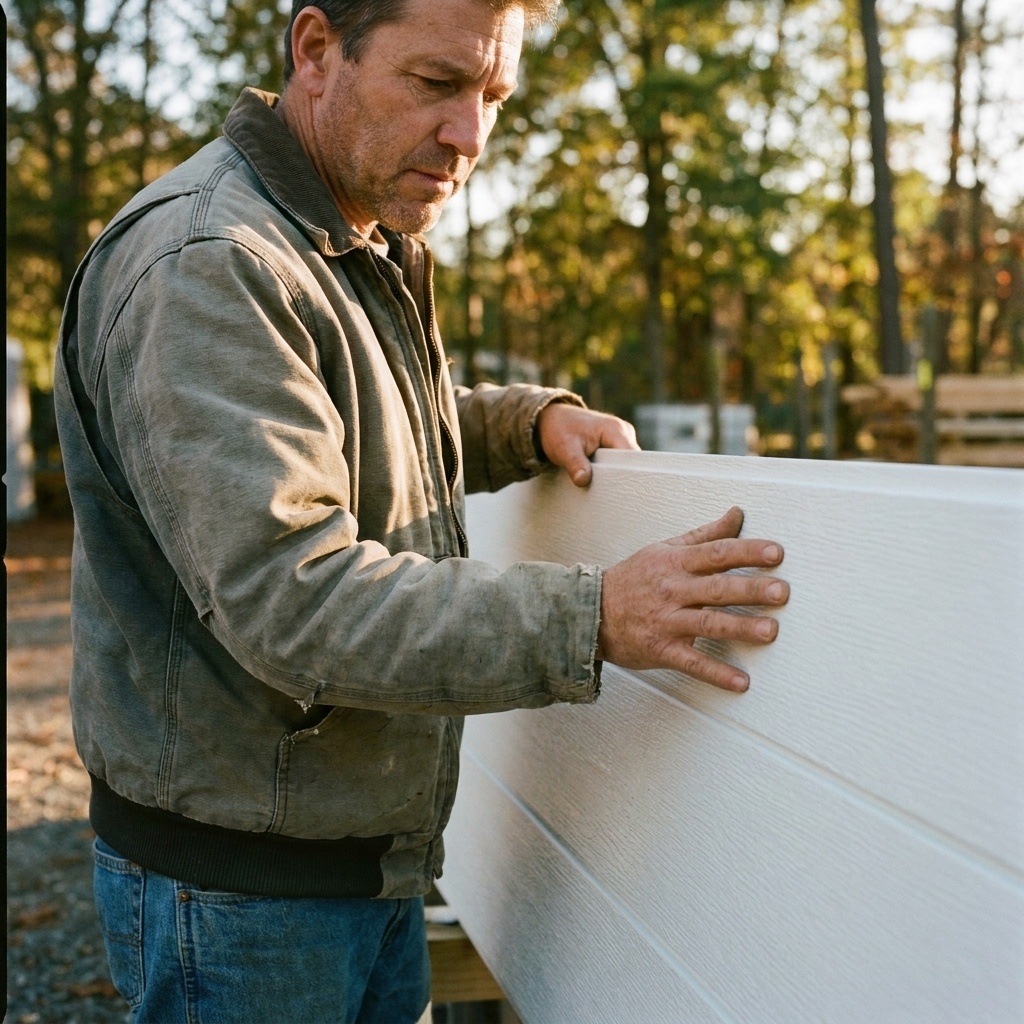
Even the most durable fence material will fail prematurely if installed incorrectly. Fence posts are the most critical element — they bear the structural load of the entire fence.
- Set fence posts at least one-third of their total length into the ground
- Use concrete footings for all post installations in soft or sandy soil
- Ensure posts are perfectly plumb before concrete sets
- Allow adequate spacing between fence panels for thermal expansion
- Apply sealant or protective coating at ground-level contact points for metal fences
Professional fence installation dramatically extends the effective lifespan of any material. If you’re investing in wrought iron, aluminum, or precast concrete, hiring an experienced fence contractor is worth every dollar.
Practical Applications by Need
Different durability priorities call for different materials.
- Maximum security: Wrought iron or steel fence with concrete footings
- Low maintenance priority: Aluminum fence or vinyl fence
- Privacy fence needs: Vinyl, composite fence, or precast concrete panels
- Budget-conscious durability: Chain link fence or pressure treated wood
- Coastal or humid climates: Aluminum fence or vinyl fence
- Commercial or industrial use: Precast concrete or steel fence
Understanding how much your fence project will cost helps you allocate budget wisely between materials and professional labor. Getting a clear picture of total fence installation costs upfront prevents budget surprises mid-project.
Maintenance and Troubleshooting
Even the most durable fence materials benefit from basic care. A small amount of regular attention prevents minor issues from becoming expensive repairs.
Low-Maintenance Routines
Most durable fence materials require very little ongoing work. Here’s what a basic maintenance schedule looks like for top performers.
- Rinse fence panels with a garden hose annually to remove dirt and debris buildup
- Inspect fence posts for shifting, leaning, or ground-level corrosion each season
- Check fence warranty terms — some require documented maintenance to remain valid
- Apply touch-up paint or sealant to wrought iron or steel fence at first sign of rust
- Clear vegetation growing against the fence to prevent moisture retention
- Tighten loose hardware on aluminum fence panels before it causes structural issues
Vinyl fence and aluminum fence are the easiest to maintain. An occasional rinse is genuinely all they need in most climates. Composite fence may require light cleaning to prevent mildew in humid environments, but nothing intensive.
Common Issues and Fixes
Even durable fences encounter problems. Knowing what to look for keeps small issues from escalating.
Rust on wrought iron or steel fence is the most common issue. Catch it early, sand the affected area, apply rust-inhibiting primer, and repaint. Left untreated, rust spreads and weakens the structure significantly.
Leaning fence posts usually indicate inadequate depth or concrete footing failure. The fix involves excavating around the post, resetting it in fresh concrete, and allowing full cure time before reattaching fence panels. This is a job for a fence contractor if multiple posts are affected.
Cracking in vinyl fence panels typically results from impact damage or extreme cold. Individual panels can be replaced without disturbing the entire fence installation. UV resistance degradation causes fading over time — this is cosmetic rather than structural, but worth noting when comparing fence warranty coverage between brands.
Wood fence options like cedar wood and pressure treated wood are prone to rot at ground contact points. Replacing individual boards is straightforward, but widespread rot means the fence has reached the end of its useful life.
Conclusion
The most durable fence material depends on what you’re optimizing for. Wrought iron delivers the longest raw lifespan with unmatched strength. Aluminum fence offers the best combination of durability and zero-maintenance performance. Precast concrete is the most physically indestructible option available. Vinyl fence and composite fence provide excellent longevity with minimal upkeep at a more accessible price point.
No single material wins across every category. Match the material to your climate, your budget, your maintenance tolerance, and your primary purpose. A well-chosen, properly installed fence from any of these top materials will serve you reliably for decades.
FAQ
What is the absolute most durable fence material?
Wrought iron and precast concrete share the top position for raw durability. Wrought iron offers the longest fence lifespan among metal options, often exceeding fifty years with proper rust maintenance. Precast concrete is virtually indestructible and requires almost no upkeep, making it the most enduring option overall for those who prioritize permanence over aesthetics.
How do climate and location impact fence durability?
Climate is one of the biggest factors in fence durability. High humidity and salt air accelerate rust on steel fence and wrought iron. Freeze-thaw cycles stress concrete and wood fence. Intense UV exposure degrades vinyl fence and composite fence faster without UV resistance additives. Matching your material to your specific climate conditions is essential for maximizing fence lifespan and protecting your investment.
What is the best low-maintenance durable option?
Aluminum fence is the top choice for homeowners who want durability without ongoing maintenance demands. It doesn’t rust, rot, or require repainting. Vinyl fence is a close second — it’s completely impervious to moisture and insects, and cleaning it requires nothing more than a hose. Both materials offer strong fence warranty coverage from reputable manufacturers, adding extra peace of mind to an already low-effort ownership experience.